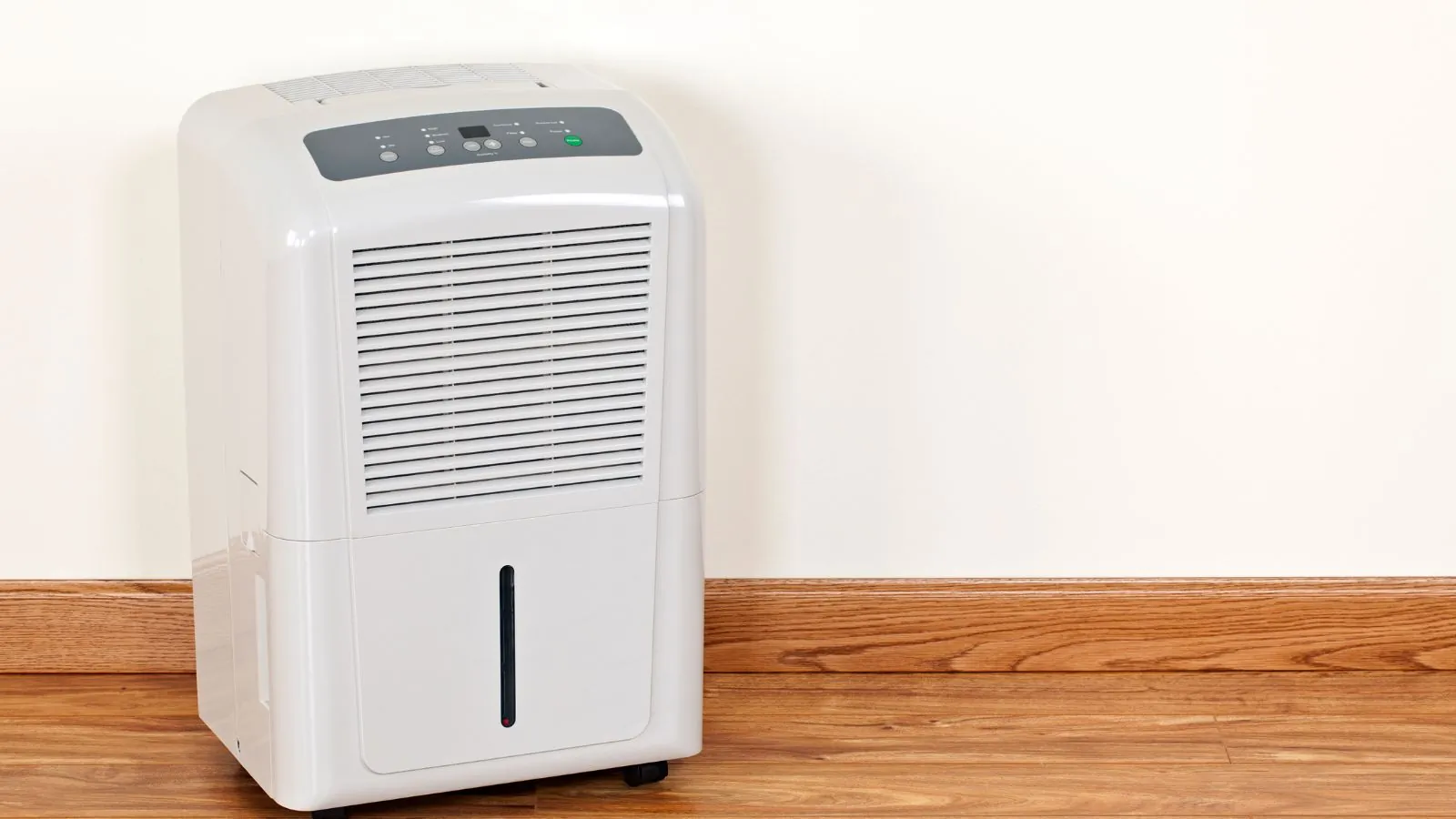
Structural drying in Oswego is the stage of water damage restoration that decides whether a house is actually dry. After the standing water is gone, moisture stays in drywall, framing, subfloor and concrete, and it comes out slowly. Structural drying uses air movers, dehumidifiers and daily readings to pull that moisture out, so the wood stops swelling, the odor does not set in and growth does not get a start.
Walls still damp, a musty smell, or floors warping weeks after the water stopped?
Those are the signs of a loss that was cleaned up on the surface but never dried. Moisture can remain inside wall cavities, under cabinet bases, beneath flooring and in the concrete slab long after the visible water is gone. A room can feel dry while the wall behind it still reads wet on a meter.
If you see baseboards pulling away, floors cupping, paint bubbling or a smell that returns on humid days, the structure is probably still holding water.
Our line is open 24/7 for new losses, and drying visits for older ones are scheduled through the same number. The earlier drying starts, the less material has to be replaced.
How structural drying works
Map
Moisture meters and a thermal camera find which materials are wet and how far it spread.
Set equipment
Air movers push dry air across surfaces and dehumidifiers pull moisture out of the air.
Monitor
We read the same points daily and adjust equipment.
Confirm
We stop when readings reach a dry reference taken from unaffected material.
The goal is a dry standard, not a number of days. The IICRC S500 standard bases drying goals on a reference reading from the same kind of material in an unaffected part of the building. Drywall, wood and concrete dry at different rates, so we track them separately. Equipment comes off when the readings say so, and we leave you the log.
| Equipment | Job | Good to know |
|---|---|---|
| Air movers | Move air across wet surfaces to speed evaporation | Placed along walls and under floors. |
| LGR dehumidifier | Pulls moisture out of the air at low humidity | Works best in closed, heated rooms. |
| Desiccant dehumidifier | Dries air in cold spaces | Useful in unheated areas. |
| Moisture meter and thermal camera | Find and track wet materials | Daily readings drive decisions. |
Why doors and windows stay closed during drying
It feels backward to run fans in a closed house, but an open window brings in humid air that the dehumidifiers then have to remove. The system works because the air is sealed and the humidity is low. In summer, it helps to keep the HVAC set normally and to avoid opening windows. In winter, dry heated indoor air does part of the work for free.
Drying in place or tearing out: trade-offs
Drying in place is cheaper and less disruptive, and it works for many floors and walls that got wet quickly with clean water. It does not work for materials that cannot dry, such as soaked insulation, pad or contaminated drywall, which are removed. Where we remove material, we dry the framing behind it so new drywall does not trap moisture. If you have already had a cleanup and the smell remains, call, and we will take readings before recommending anything.
Large homes need larger drying plans. The page for Hunt Club describes how equipment is sized room by room in a bigger house.
Oswego homes and drying
The Census survey data compiled by the Chicago Metropolitan Agency for Planning puts Oswego's median home at 2002, with most homes built between 1990 and 2009. Houses of that era are tightly sealed, which helps contain a dehumidifier's work but also means moisture lingers when ventilation is low.
Concrete foundations in Oswego homes hold water longer than wood, so basement slabs may need extended drying. We read the slab, not only the walls.
Drying follows water extraction on every loss, and it is the step that prevents mold from starting. For basement losses see basement water damage. Your insurer may ask for the drying log, so keep a copy.
Questions about structural drying
Surface cleanup does not dry what is inside walls, under flooring or in the slab. A musty smell that returns on humid days usually means materials are still holding moisture. A meter reading confirms it.
It depends on the material and the extent of the loss. Many jobs take several days. We continue until readings reach the dry reference, not for a fixed time.
Dehumidifiers and air movers run continuously and add heat. That is normal and it speeds drying.
A fan helps with a small spill, but without dehumidification the moisture just moves into the air and back into the materials.
We explain the scope and price before work starts. Ask for the plan in writing.