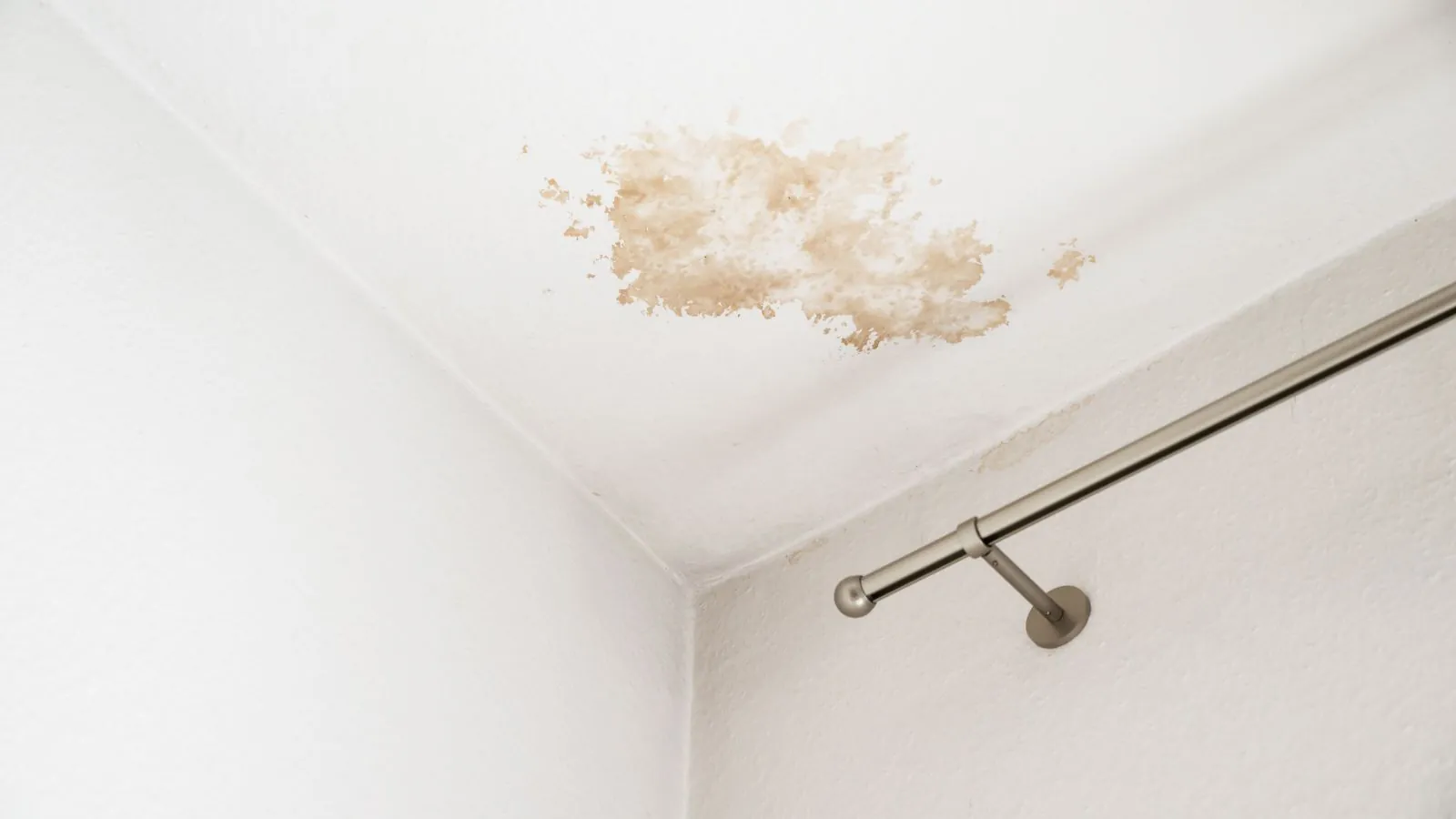
Commercial water damage restoration in Oswego is a race against downtime. A burst line in a retail unit, a roof leak over an office or a sprinkler discharge in a storage area can stop work for days, so the aim is to dry fast, document everything and let you reopen in sections where it is safe. Our emergency line runs 24/7, and commercial calls often arrive after closing time.
Emergency steps for a business in the first hour
- Call the emergency line and name the building, the tenant and the access contact.
- Shut off the water to the unit or the building if you can do so safely.
- Move inventory, records and electronics out of the wet area.
- Photograph the damage, the source and the building condition before cleanup.
- Notify your landlord or property manager and your insurer.
Commercial safety notes
- Do not enter areas where water reaches electrical panels, server racks or cooler compressors.
- Fire suppression and sprinkler systems may need to be reset by the fire protection contractor.
- If the source is a sprinkler line, shut off the riser only if you are trained and authorized.
How commercial jobs differ from homes
A house has one owner and one policy. A commercial building has tenants, landlords, property managers, insurers and sometimes a franchisor, and each needs different paperwork. Floors are larger, ceilings are higher and materials differ: commercial carpet tile, vinyl composition tile, suspended ceilings and steel studs behave differently from residential finishes. Drying needs more airflow and larger dehumidifiers, and work is often phased so part of the space can stay open.
| Space | Common water source | Typical focus |
|---|---|---|
| Retail | Roof or supply line | Inventory, floor coverings and reopening plan. |
| Office | Ceiling leak, HVAC condensate | Carpet tile, ceiling tiles and records. |
| Restaurant | Dishwasher, grease line, supply line | Kitchen floors, health code concerns and contamination. |
| Multi-tenant | Unit above or roof | Isolating spaces and notifying neighbors. |
We document with moisture readings and photographs for each room so each tenant and the building owner can see what happened. Ceiling tiles and insulation that are wet are usually removed. Carpet tile can often be lifted, dried and reinstalled, which is cheaper than replacing a whole floor. Contents are moved and protected, and we can arrange pack-out if the space must be cleared.
Working after hours and around operations
Noise, power use and foot traffic matter in a business. We plan equipment placement so exits stay clear, and we schedule work to keep your doors open when it is safe. A short plan on the phone saves a lot of back and forth, so tell us your hours, your critical areas and who holds the keys.
IICRC S500 is also the working reference for commercial structures, including how moisture is documented and how drying goals are set room by room. Ask any contractor for the same room-by-room readings we give, because a tenant, a landlord and an insurer may each want to see them.
Oswego commercial areas
Oswego's business districts include Downtown Oswego, the US 34 corridor and Illinois Route 25. Older downtown buildings and newer strip centers fail in different ways: older buildings have old supply lines and roofs, newer ones have flat roofs and shared systems.
The Oswego Fire Protection District, at 3511 Woolley Road, handles fire protection in the area. For sprinkler discharges and alarm resets, your fire protection contractor and the district are the contacts, and we work on the water after the system is safe.
Business interruption coverage depends on your policy. Ask your agent what your commercial property policy says about water damage, downtime and extra expense. Related pages: water extraction, structural drying and ceiling water damage repair.
Questions about commercial water damage
Yes. The emergency line is open 24/7. Commercial calls often come after closing, and we work around your hours.
Often partly. We phase work and place equipment so unaffected areas can stay open when it is safe.
It depends on the lease and the source of the water. We document the loss for whoever carries the claim.
We remove and dry the water. A fire protection contractor resets the system.
Photographs, moisture readings, a drying log and a list of removed materials.