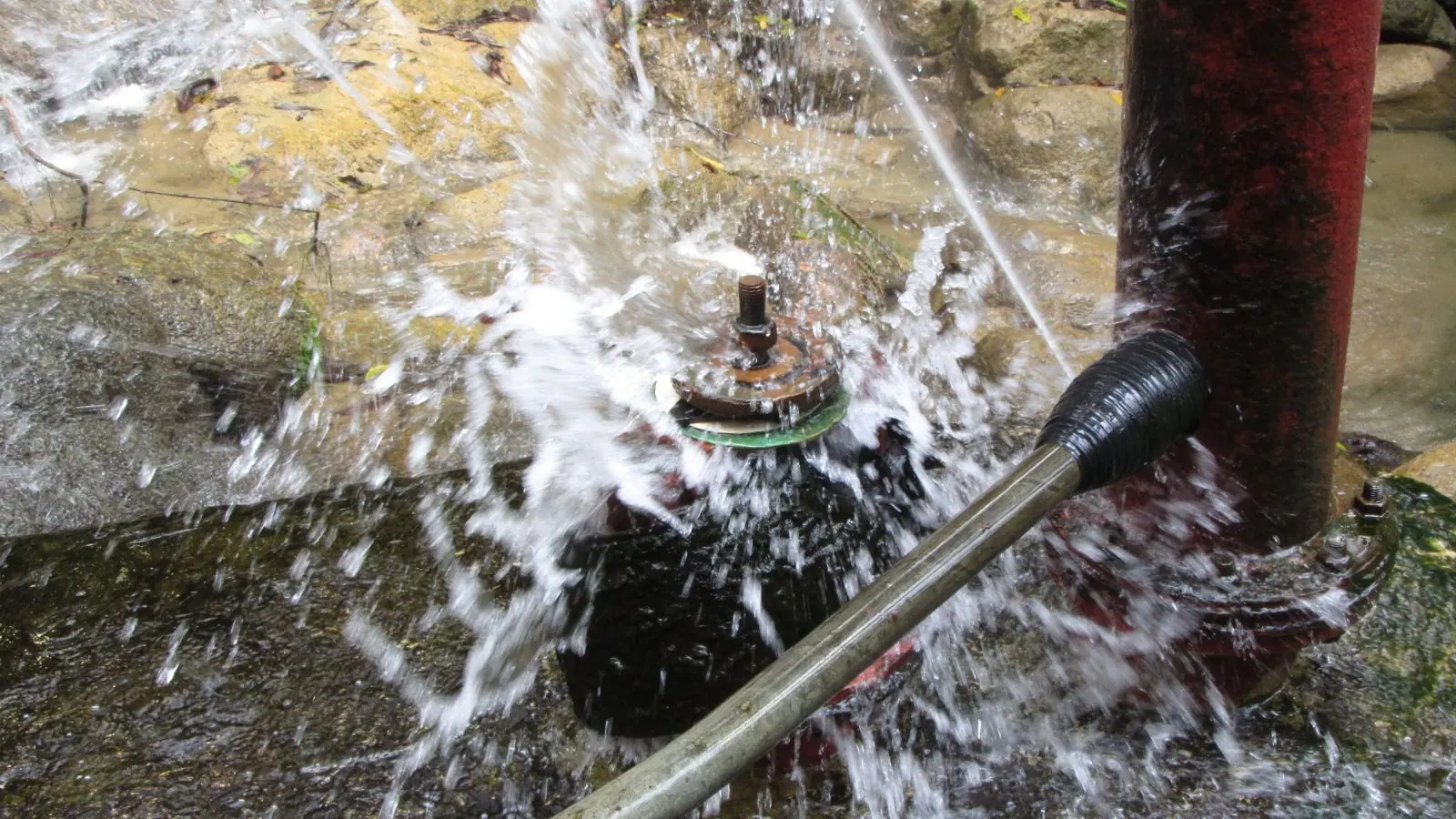
A burst pipe is the most common reason people call for emergency water damage restoration in Oswego. A split supply line, a failed fitting or a joint that let go under pressure can put gallons per minute into walls and floors, and the damage grows with every minute the valve stays open. This page covers what to do in the first few minutes, how the cleanup works and what to expect afterward.
Emergency steps in the first five minutes after a pipe bursts
- Find the main water shutoff and close it. Turn it clockwise. If you cannot find it, the meter shutoff near the street may also work.
- Open a faucet at the lowest point in the house to drain the line and relieve pressure.
- If water is near outlets, a panel or appliances, stay out and call. Do not touch anything electrical while standing in water.
- Photograph the source and the spread before you move anything.
- Call the emergency line. We take burst pipe calls 24/7.
Before you re-enter the room
Wet ceilings and live circuits are the two ways a burst pipe injures people.
- If a ceiling is bulging with water, stay out from under it. Poke a small hole at the lowest point only if you can stand clear and catch the water in a bucket, otherwise wait for help.
- Water that has passed through insulation can bring down a ceiling section without warning.
- If a pipe on the heating side burst, the water may be hot.
Where burst pipe water goes
Supply water follows gravity and the path of least resistance. Upstairs breaks travel through floor cavities to the ceiling below, and the stain you see in the kitchen may be eight feet from the actual leak. A break in an exterior wall can soak insulation that holds water against the framing for weeks. That is why we check every adjacent cavity with a moisture meter and thermal camera before deciding what comes out.
How we clean up after a burst pipe
Extract
Remove standing water from floors and carpet.
Open and inspect
Pull baseboards and cut small inspection holes where readings are high.
Dry
Place air movers and dehumidifiers and log readings daily.
Hand off
Give your plumber and your insurer the drying log and moisture map.
Clean supply water is Category 1 under the IICRC S500 standard, but it turns Category 2 if it sits for a day or two or passes through dirty materials. That window is why the first call matters. After removal we place air movers and low-grain refrigerant dehumidifiers and track the readings until the framing reaches a dry reference. If you want the full drying explanation, see structural drying and dehumidification.
Repair options and trade-offs
A burst pipe usually needs two trades. A plumber replaces the failed section and checks the rest of the run, and a restoration crew removes and dries what got wet. Doing the plumbing first stops the loss, but do not let a repair close up a wall that has not been dried.
If the break came from a freeze, read about frozen pipe damage, because the same line often has weak spots elsewhere. If the pipe is in your water heater closet, see water heater leak cleanup.
Oswego plumbing and permits
The Village of Oswego Building and Permits office lists categories for plumbing work and water heaters. Call (630) 554-2310 before a major pipe replacement so you know whether a permit applies to the repair.
Village water comes from deep wells, and Public Works at (630) 554-3242 handles problems on the village side of the meter. The pipe inside your house is yours to fix, so shutoff valves inside the house matter. If you do not know where yours is, find it this week.
Insurance often treats a sudden pipe burst as a covered event, while long-term seepage is usually excluded. Keep your photographs, the plumber invoice and our drying log together. We do not decide coverage, but the record helps your adjuster.
Questions about burst pipe water damage
Yes. We answer 24/7. Close the main water valve first, then call and tell us where the water is going.
Shut off the main water valve, open a low faucet to drain the line, stay away from electrical hazards and photograph the damage. Then call a restoration company and a plumber.
It depends on the pipe size and pressure, but a full break can release gallons per minute. That is why the shutoff matters more than anything else you do.
Not always. We use moisture meters and thermal imaging to decide. Small inspection holes often let us dry a cavity without removing the whole wall.
No. The village maintains its side of the system. Pipes inside your home belong to you, so you need a plumber for the repair and us for water removal and drying.