Downtown Oswego is the original village center, a street grid laid out parallel and perpendicular to the Fox River. The Village of Oswego describes the Downtown Oswego Historic District as the stretch along Main Street between Jackson and Washington streets, and the older homes around it make up the oldest residential blocks in the village. This page is for property owners in that core who have water where it should not be.
What makes downtown different from a newer subdivision
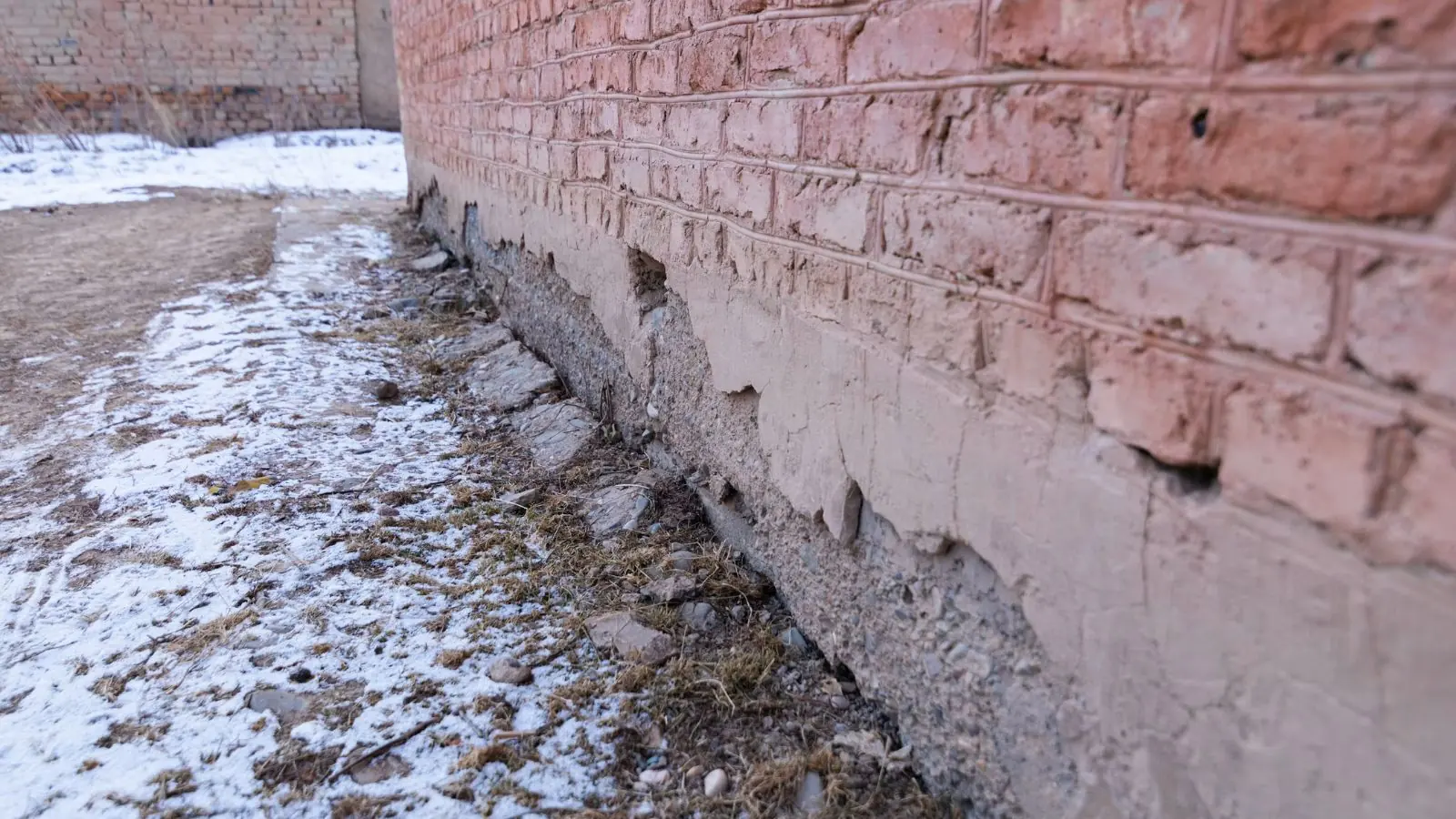
A 2009 architectural survey prepared for the Village covered the oldest residential sections around Main and Washington. It records a mix of building eras on a tight grid, including stone houses from the 1800s. The Historic Preservation Commission lists limestone and brick buildings on West and East Washington Street. We cannot say what is inside any one wall without opening it, but older construction raises practical questions.
- Plaster or older wall finishes may sit behind a wet surface, and they dry and fail differently from modern drywall.
- Stone and brick hold moisture for a long time, so we measure and keep measuring instead of guessing.
- Apartments above storefronts mean water can travel from a unit upstairs into a business below.
- Historic trim and flooring may be worth saving, which changes how aggressively materials are removed.
The river and the creek
The Village identifies two main flood hazard areas in Oswego, the Fox River and Waubonsee Creek, and downtown sits where they meet. In July 1996 a record rainstorm pushed Waubonsie Creek over a dam in Stonegate Park, lifted an old iron bridge off its piers on North Adams Street, and flooded the village public works facility off Harrison Street. That is a documented regional event. It does not mean any particular house downtown has flooded.
Flood maps matter here. FEMA issued updated digital maps in 2014, and the Village keeps a public list of map changes that includes lots in Original Town and a 2022 revision covering the Fox River from just upstream of Washington Street to its meeting with Waubonsee Creek. Neighborhood-specific FEMA flood-zone status not verified for every block, so check your own address with the Village or FEMA before assuming either way.
| Source of water | Typical downtown example | Where to read more |
|---|---|---|
| Plumbing inside the building | Split supply line behind a wall or a failed fitting upstairs | Burst pipe page. |
| Roof or exterior wall | Rain getting behind masonry or flashing | Storm water page. |
| Drain or sewer line | Backup through a floor drain | Sewage backup page. |
| River or creek overflow | High water along the Fox River or Waubonsee Creek | Flood damage page. |
Safe first steps in an older building
Before you do anything else
If a smell of gas is present, leave and call Nicor at 888-642-6748, then 911.
- Keep people and pets out of any room where water reaches outlets, cords or appliances.
- Close the main shutoff only if you can reach it without standing in water.
- Do not pull plaster or old finishes yourself, since older materials can contain hazards that need testing.
- Photograph the water, the source and the affected surfaces from a safe spot.
How a downtown job usually runs
Stop the source
You or a plumber shut off the supply or fix the leak, and we explain what is safe to touch.
Remove standing water
Pumps and extractors take the water out first, since drying cannot start while the floor is wet.
Dry what can be dried
Air movers and dehumidifiers run while we take moisture readings, with the aim of saving trim, floors and masonry where we reasonably can.
Document the work
Photos, readings and a written scope help you and your insurer see what was done. Coverage depends on your policy and the cause of the loss.
Flood insurance is separate from a standard homeowners policy. The Village notes that a structure in the mapped 100-year floodplain has a 26 percent chance of flooding over a 30-year mortgage, compared with 4 percent for fire. Ask your agent what your policy covers before you need it. Our water extraction page explains the first visit and our structural drying page explains the drying stage.
Our reference for drying is the IICRC S500 standard for water damage restoration, which sorts water into categories and sets out how drying is documented. In older masonry buildings that matters, because a wall can look dry long before the readings say it is.
Who to call downtown besides us
For a water main or street leak, call Village of Oswego Public Works at (630) 554-3242.
For permits on repairs, call Village of Oswego Building and Permits at (630) 554-2310.
The Village publishes real-time stage information for the Fox River and Waubonsee Creek during high water.
Shops and offices downtown also have losses. Our commercial water damage page covers storefronts. See the full service area for the other places we cover.
Questions from Downtown Oswego owners
Parts of the area near the Fox River and Waubonsee Creek are mapped as flood hazard areas, and the Village publishes the maps. Whether your address is inside one needs a property-level check, so we cannot tell you from the street name.
Often yes, but drying takes longer and readings guide the decision. We measure before recommending anything to remove.
A standard homeowners policy typically excludes flood, which is usually covered by a separate flood policy. Coverage depends on the cause and your policy terms, so ask your insurer.
Stop what you can, photograph the damage and call. Responsibility between owners and tenants is a legal and policy question, but the drying should start quickly either way.
Call Village of Oswego Public Works at (630) 554-3242 for the public side of the system. We deal with the water inside the building.