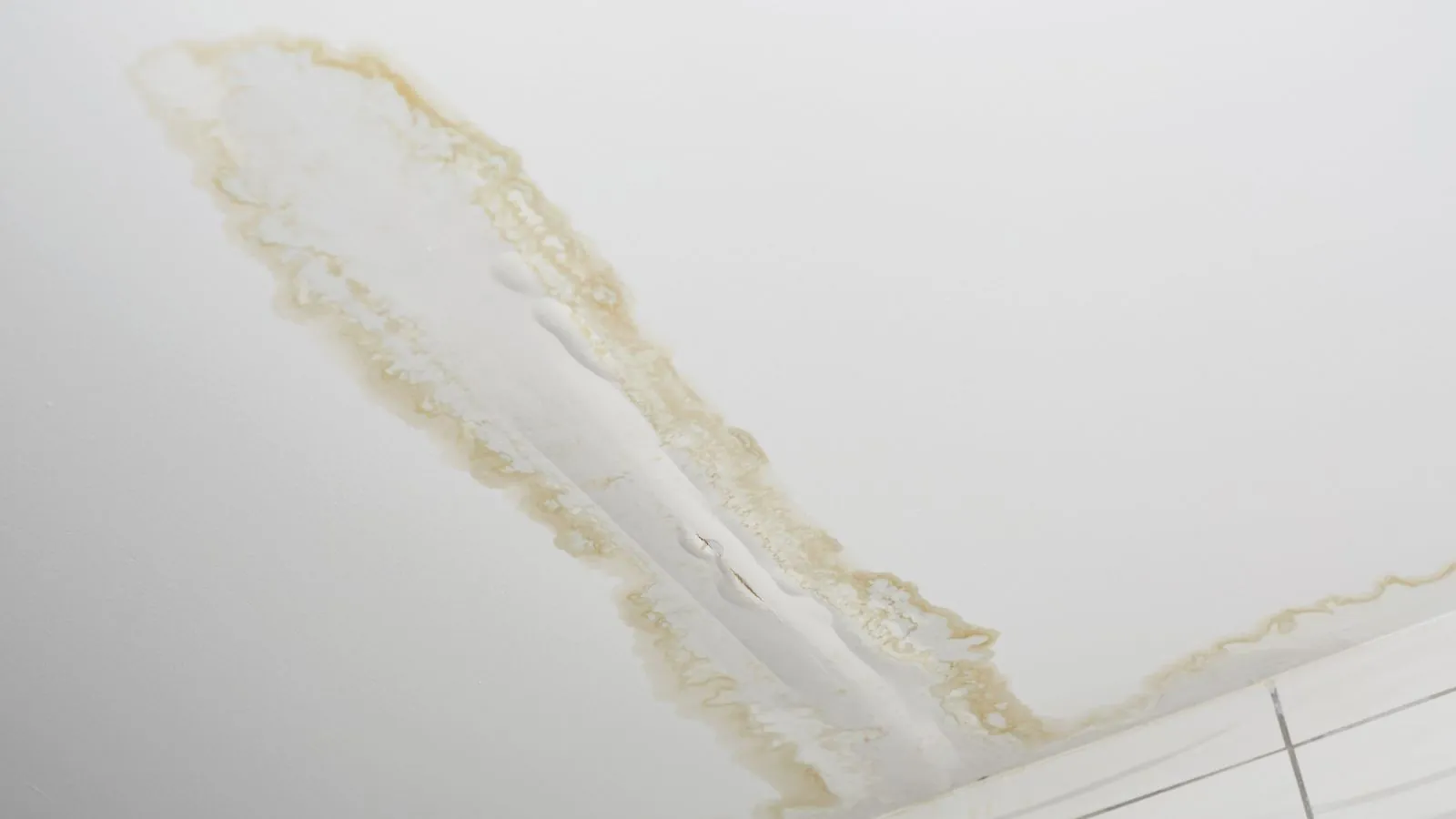
Selling a house after water damage in Oswego is manageable when the damage was repaired properly and documented. What worries buyers is not a past leak, it is a hidden one. This guide covers how disclosure works in Illinois, what records help, and how to present a repaired house. It is general information, not legal advice. A real estate attorney or your agent can tell you how the rules apply to your sale.
What Illinois asks sellers to disclose
The Illinois Residential Real Property Disclosure Act (765 ILCS 77) requires most sellers of residential property to give buyers a disclosure form. The form asks about known defects and about flooding or recurring leakage in the crawl space or basement, among other items. Answers must be honest about what the seller knows. If you have had water damage, talk to your agent about how to answer and what to attach.
The paperwork that helps
| Record | What it shows | Where it comes from |
|---|---|---|
| Photos and video of the loss | Extent of damage | You or the contractor. |
| Drying log and moisture readings | The structure reached a dry reference | Restoration contractor. |
| Invoices for repairs | Work was done and by whom | Contractors. |
| Permits and inspections | Work met village requirements | Village and contractor. |
| Insurance claim records | What was covered | Insurer. |
| Clearance report, if mold was involved | Area verified after cleanup | Independent assessor. |
Buyers and inspectors respond to evidence. A repaired basement with a drying log and permit records reads very differently from a freshly painted basement with no history. Keep the file together and offer a copy when buyers ask.
Repair now or sell as is?
- Repair before listing: higher cost up front, but a cleaner inspection and a wider buyer pool.
- Sell as is: less cost and effort, but buyers may price in unknowns and ask for credits.
- Partial repair: dry and document, then leave finishes for the buyer.
The right choice depends on your timeline and the damage. Dry the structure first in every case, since a wet house that sits is worse for both options. See structural drying for how dry is confirmed.
Preparing a house for sale?
Call us. We can explain the drying and documentation that buyers and inspectors look at.
What inspectors look for
Inspectors check for stains, odor, elevated moisture readings, uneven flooring, new paint on isolated spots and signs of past leaks. They may use a moisture meter and thermal camera. If a past leak was repaired, say so, and hand over the records. If mold was part of the story, see mold remediation for what documentation looks like.
Pricing a repaired house
Ask your agent for recent comparable sales and whether water history changed the price. A repaired and documented loss usually matters less to buyers than an unexplained stain. Offer the file up front and let the documents do the talking. If you plan to sell as is, say so in the listing and price accordingly.
Disclosure timing and the closing calendar
Do the repairs and the paperwork early. Buyers who see a clean disclosure and a documented repair move faster than buyers who find the history later. If a loss happens during the sale, tell your agent and the buyer right away, and ask your attorney how to handle the contract. Surprises at the walk-through are the ones that cost sales.
Talking with buyers and their inspectors
Answer questions plainly and hand over the file. Buyers rarely walk away from a documented repair. They walk away from surprises. If a buyer asks for a repair credit, compare it with the cost of the work using your invoices. If an inspector finds a moisture reading, ask for the location and read it with a meter of your own, since a single reading can have an explanation.
Pricing and disclosure credits
A repaired and documented house should not need to be discounted heavily, but an unrepaired one often is. Ask your agent how comparable homes with water history sold in your area. Keep all disclosure answers consistent with your records, and ask an attorney if you are unsure how to answer a question on the form.
A drying log that follows the IICRC S500 standard is the strongest single document a seller can hand over. It shows readings taken against a dry reference and the date the structure reached it, which answers the first question most buyers and inspectors ask.
Selling in a newer-housing market
The Chicago Metropolitan Agency for Planning counts about 12,440 housing units in Oswego, with a median year built of 2002 and nearly 88 percent owner-occupied. In a market of mostly newer owner-occupied homes, buyers are used to inspections that look at basements and sump systems, so finished lower levels get close attention.
Oswego has FEMA flood maps published by the village. If your home sits near the Fox River or Waubonsee Creek, buyers and lenders may ask about flood insurance. Know your map status before listing.
We serve Oswego and nearby towns including Sugar Grove, and the full service area is on its own page. For basement repairs before a sale, see basement water damage.
Questions readers ask
The disclosure form asks about known defects and flooding or recurring leakage in the basement or crawl space. Talk to your agent or attorney about your situation.
Not by itself. Documented, dry and repaired damage is common. Hidden damage is the bigger risk.
Photos, the drying log, invoices, permits and insurance records.
It depends on the damage, your timeline and your market. Always dry the structure first.
It can, because buyers and lenders may ask about flood insurance. Check the village flood maps.