Water damage in Oswego follows the seasons, and each one brings different failures. Spring rain tests sump pumps, summer humidity tests air conditioners, fall leaves block gutters and winter cold splits pipes. This guide goes through the year and lists a few small checks for each, so problems get found before they flood a floor.
A season-by-season table
| Season | Common cause | What to check |
|---|---|---|
| Spring | Heavy rain, snowmelt, high water table | Sump pump, grading, window wells, roof. |
| Summer | Thunderstorms, AC condensate, humidity | Condensate drain, gutters, basement humidity. |
| Fall | Leaves in gutters, outdoor faucets | Gutters, hose bibs, roof flashing. |
| Winter | Frozen pipes, ice dams | Exterior wall pipes, attic insulation, garage lines. |
Spring: rain and snowmelt
Saturated ground pushes water toward foundations. A sump pump that has been idle all winter may stick. Test it before the first big rain, and check that discharge lines are not frozen or kinked. Look at the roof for ice damage. If water has already entered, see basement water damage cleanup.
Summer: storms and condensate
Thunderstorms can drop an inch or more in a short time. Wind-driven rain finds weak flashing and window seals. Air conditioners run hard and make a lot of condensate, and a clogged drain line overflows into attics and closets. A float switch in the pan can shut the system off. See AC leak water damage if you see a stain under the unit.
Fall: gutters and shutoffs
Leaves fill gutters, and overflow runs down walls and into the foundation. Clean them after the leaves fall. Disconnect hoses and shut off outdoor faucets before the first freeze. Check the roof for loose flashing before snow.
Seasonal leak or storm damage?
Call the 24/7 line any time of year.
Winter: freezing and ice dams
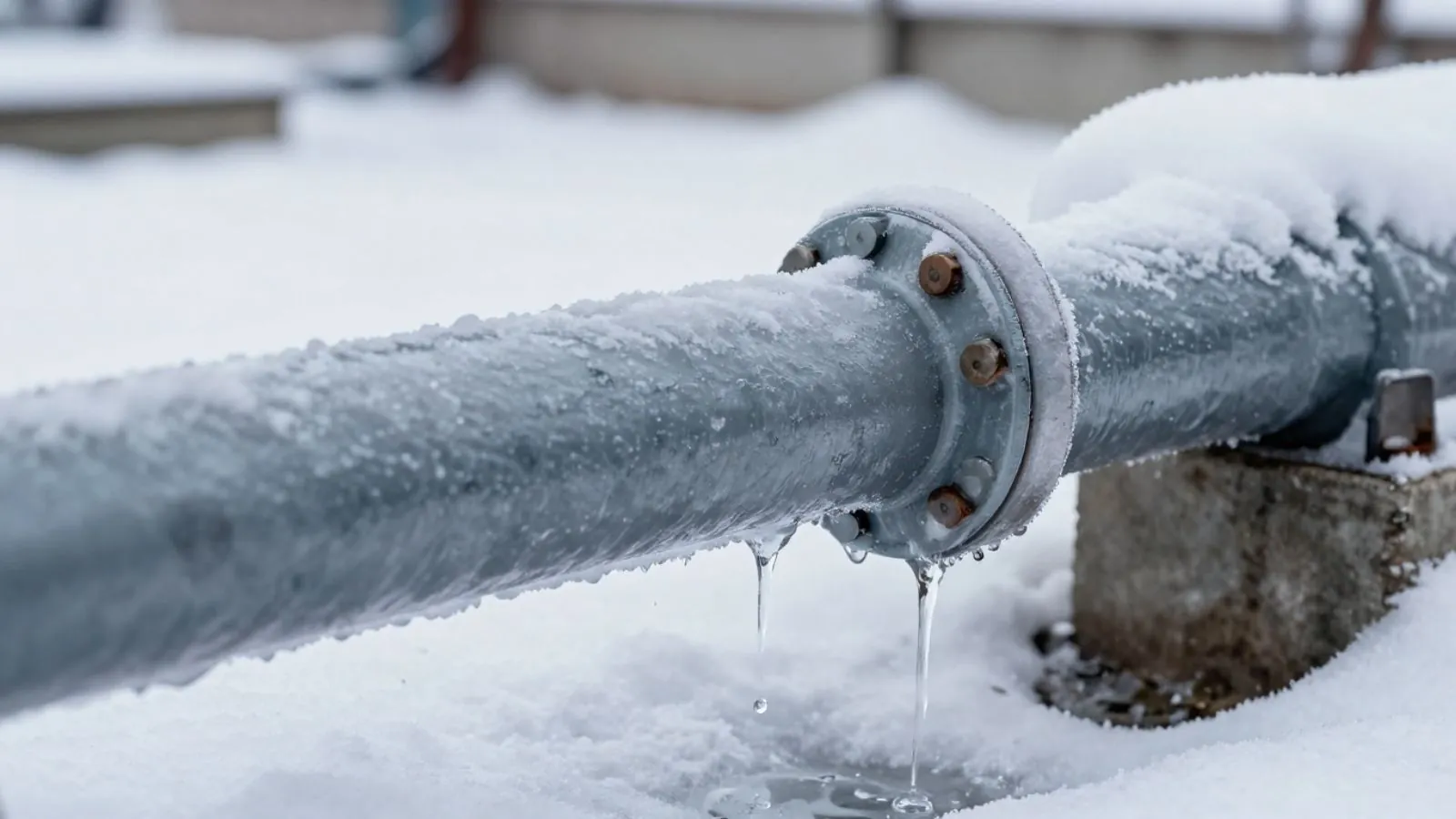
Chicago-area climate normals count about 121 days a year with lows at or below 32 degrees, which makes freeze risk a regular winter event. Pipes on exterior walls and in garages are most exposed. Ice dams form when snow melts on a warm roof and refreezes at the eave, forcing water under shingles. Keep the heat on while traveling, seal drafts around pipes and ask about attic insulation. See frozen pipe water damage for the cleanup side.
Weather extremes and what they test
Heavy rain tests your drainage, heat tests your cooling system, a deep freeze tests your insulation and a thaw tests your roof. Each stress exposes the weakest part of the house. Notice which season brings problems in yours, and fix that part before the next round.
Newer houses, older systems
A house built in the early 2000s is now old enough that its water heater, hoses, sump pump and air conditioner have probably been replaced once or are due. Make a list of when each was installed. Replacing a part before it fails costs a fraction of the water damage it can cause, and a list on the refrigerator door is easier to follow than a memory.
A short checklist for each season
- Spring: test the sump pump, clear window wells, check downspouts and look for roof damage from winter.
- Summer: flush the AC condensate drain, check hoses on the washer and dishwasher, watch for stains under the air handler.
- Fall: clean gutters, shut off outdoor faucets, check attic insulation and roof flashing.
- Winter: know your main shutoff, keep garage and exterior wall pipes protected and watch the roof edge for ice buildup.
None of these takes long, and the order matters less than doing them once a year. Put them on a calendar and treat them like changing a smoke alarm battery. The cheapest water damage is the kind that never starts.
What each season tells you about your house
Spring tells you whether your foundation drains work. Summer tells you about your cooling and humidity. Fall tells you how the roof and gutters hold up. Winter tells you where the heat is not reaching. If the same spot is a problem in the same season two years in a row, that is a repair to schedule rather than a surprise to wait for.
Oswego conditions through the year
The Fox River runs along Oswego and Waubonsee Creek runs through it. The village publishes FEMA flood maps, issued in 2014, and a Waubonsee Creek gauge, and spring is when those matter most. Check the maps before the rainy season and review your flood coverage, since flood policies usually take 30 days to start.
The housing mix matters too. About 70 percent of Oswego homes were built between 1990 and 2009, according to the Chicago Metropolitan Agency for Planning, so many systems installed with the home are now at the age where water heaters, hoses and air conditioner pans start to fail.
We serve Oswego and nearby towns including Sugar Grove, and the service area page lists the rest. For storm cleanup, see storm water damage.
Questions readers ask
Spring rain and winter freezes are both common. Each season has its own causes.
Keep the heat on, seal drafts, insulate exposed lines and let a faucet drip in severe cold.
A clogged condensate drain or a cracked pan is the usual cause.
In late fall after leaves drop and again in spring.
Yes. The Fox River runs along the village and Waubonsee Creek runs through it.