Whether homeowners insurance covers water damage in Oswego depends on where the water came from, how fast it arrived and what your policy says about it. A burst pipe and a flooded creek can leave the same wet carpet and have completely different outcomes. This guide explains the usual lines insurers draw, so you can ask better questions of your agent. It is general information, not a coverage opinion, and your policy language controls.
The question insurers ask first: sudden or gradual?
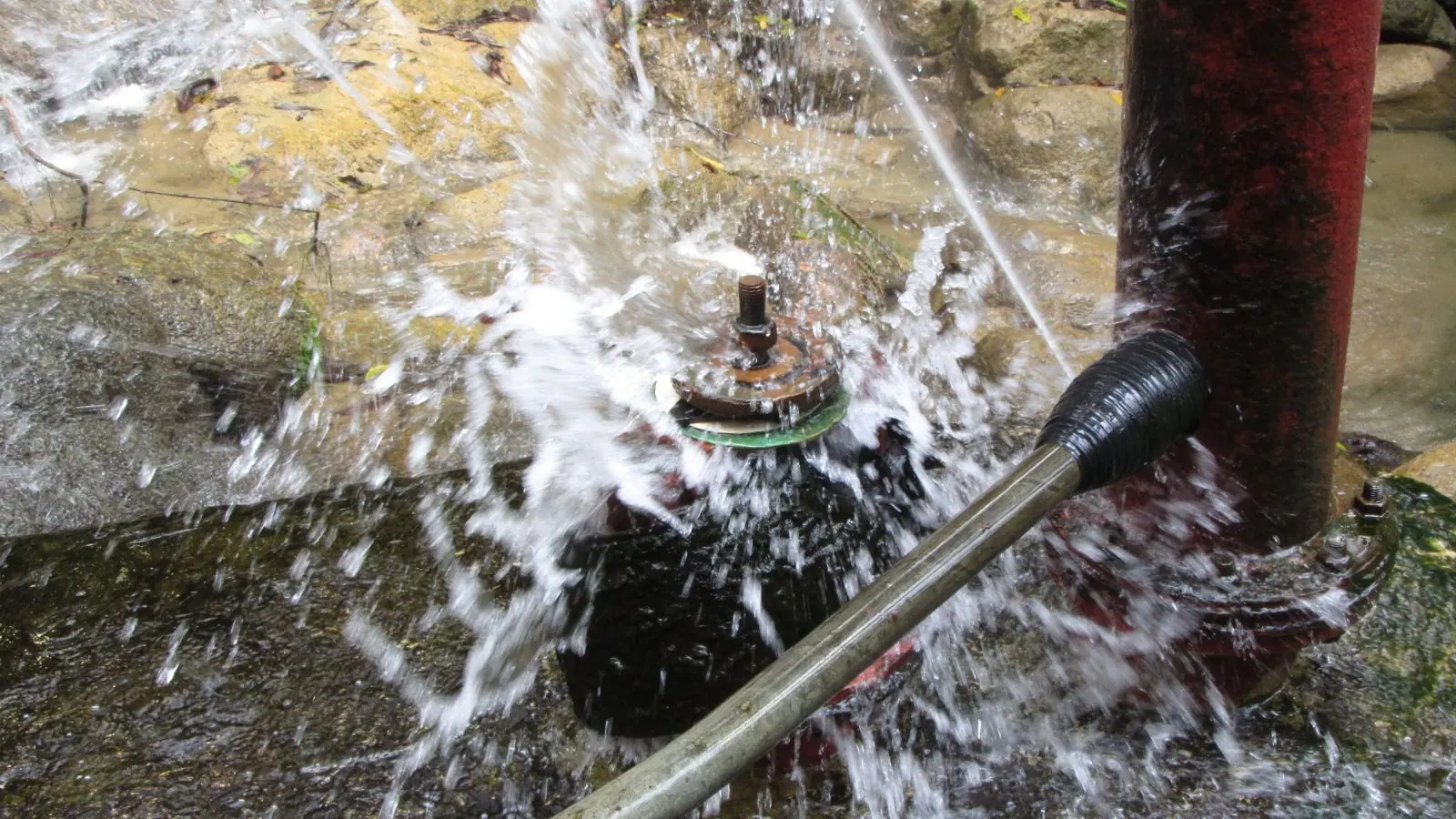
Most standard homeowners policies cover water damage that is sudden and accidental, such as a supply line that splits or a water heater that fails. They usually exclude damage from long-term seepage, repeated leakage over weeks or months, and wear and tear. If a slow drip under a sink has rotted the cabinet over a year, the insurer will likely call that maintenance.
If a hose bursts overnight, it will likely call that a covered peril. The date and the evidence matter, which is why photographs and a plumber invoice help.
What is usually covered, excluded or optional
| Source of water | Often covered by standard policy? | Notes |
|---|---|---|
| Burst or frozen pipe | Usually yes | Insurers may ask whether heat was on. |
| Appliance or water heater failure | Usually yes for resulting damage | The appliance itself is often excluded. |
| Roof leak from storm damage | Often yes | Wear and age of roof can limit payment. |
| Flood or surface water | Typically no | Needs separate flood insurance. |
| Sewer or drain backup | Often excluded unless added | Ask about a water backup endorsement. |
| Slow leak or seepage | Usually no | Treated as maintenance. |
The Illinois Department of Insurance notes that standard homeowners policies typically exclude flood, and that flood coverage is sold separately, usually with a 30-day wait before it takes effect. That wait is why the time to buy is before the storm. The department answers consumer insurance questions free of charge if you need a neutral explanation.
Questions worth asking your agent today
- Is sewer or drain backup covered, and what is the limit?
- Does my policy cover sump pump failure or overflow?
- What is my deductible for water damage, and is it a flat amount or a percentage?
- Are my personal belongings covered at replacement cost or actual cash value?
- What is the time limit for reporting a loss?
- Do I need flood insurance based on the FEMA map for my address?
Water in the house right now?
Call first for the emergency steps, then call your insurer. Prompt action protects both the house and the claim.
What you must do after a loss
Policies generally require you to protect the property from further damage, which is why emergency water removal is usually considered part of the claim. Take photographs, keep receipts for emergency services and do not discard damaged items until the adjuster has seen them or you have been told it is fine. Report the loss promptly because insurers have time requirements. The longer a wet structure sits, the more arguable the line between sudden and gradual becomes.
Restoration companies document the work, but they do not decide coverage. Ask for the moisture readings, the drying log and the list of removed materials. For the insurance process itself, see water extraction for what the first visit records.
What to do if the claim is denied
Ask for the denial in writing with the policy language it relies on. Compare that language with your photographs, the plumber's report and the drying log. You can ask the insurer to reconsider with new evidence, and you can ask the Illinois Department of Insurance for help understanding the decision. Keep every letter and email, and avoid signing releases until you understand them.
Why "sudden and accidental" gets argued over
Most disputes are about timing. A pipe that has dripped for months looks gradual, while a supply line that fails in an hour looks sudden, and the evidence usually decides. A plumber's report, dated photographs and a drying log that shows how far the water spread all help show which one you had. If you discover damage you did not see happen, such as a stain under a floor, say so plainly and let the adjuster inspect it.
Deductibles, depreciation and what is left over
Even a covered loss rarely pays everything. Your deductible comes off first, and some policies pay depreciated value for older flooring and finishes until the work is complete. Ask your agent how recoverable depreciation works, and ask whether the deductible is a flat amount or a percentage of the home's value. A written answer before a storm is worth more than a phone call after one.
Oswego and flood coverage
The Village of Oswego publishes FEMA flood insurance rate maps, with current maps issued in 2014. The Fox River and Waubonsee Creek are the water bodies to know. A home outside a mapped flood zone can still flood, so the map is a starting point for deciding about flood coverage, not a promise.
Kendall County was declared a disaster area after the April 2013 rain, when Illinois recorded 6.90 inches of rain for the month. Events like that are the reason lenders and agents ask about flood insurance even for homes that have never taken on water.
If you are shopping for coverage, ask your agent for a plain-language summary of exclusions. We serve Oswego and nearby towns, including Sugar Grove, and the rest of the area we cover is listed on our service area page. For flood losses, our flood damage cleanup page explains the cleanup side, and our burst pipe page covers the most common covered loss.
Questions readers ask
Usually yes for sudden pipe bursts, though policies differ and insurers may ask about the heat and maintenance.
Typically not. Flood coverage is a separate policy, according to the Illinois Department of Insurance.
Often only with a water backup endorsement. Ask your agent and read the limit.
Policies set their own deadlines, so report as soon as you can.
It shows mapped flood zones, and your lender may require coverage inside them. Homes outside the zones can still flood, so ask your agent about your risk.